Prepare and launch · 4 min read
Marketing and open homes: a seller’s practical guide
Approve an accurate campaign, protect your privacy and agree how inspections and buyer feedback will be handled.
By Plan to Sell · Updated · General information
The short version
- Approve a written campaign budget and accurate listing before launch.
- Agree privacy, access, pet care and lock-up arrangements.
- Use meaningful buyer feedback to review the plan, not just listing views.
Agree the campaign and spending authority
Ask your agent to explain what each marketing item does for likely buyers of your property. Photography, a floor plan, listings, signage and brochures may be proposed, but not every upgrade is necessary. Request an itemised budget, GST treatment and payment timing before approving spending.
Confirm what happens if the campaign is extended or the property does not sell. Decide how additional advertising, replacement photography or a new auction will be approved. Keep written approvals so you can separate the original plan from later changes. NSW guidance requires an agency agreement before the agent markets the property.
Review the listing before it goes live
Check the photos, room descriptions, floor plan, inclusions and property details. Tell the agent about anything inaccurate or uncertain and ask your adviser about disclosure obligations. Attractive copy must not turn an unverified feature into a fact or hide a known concern.
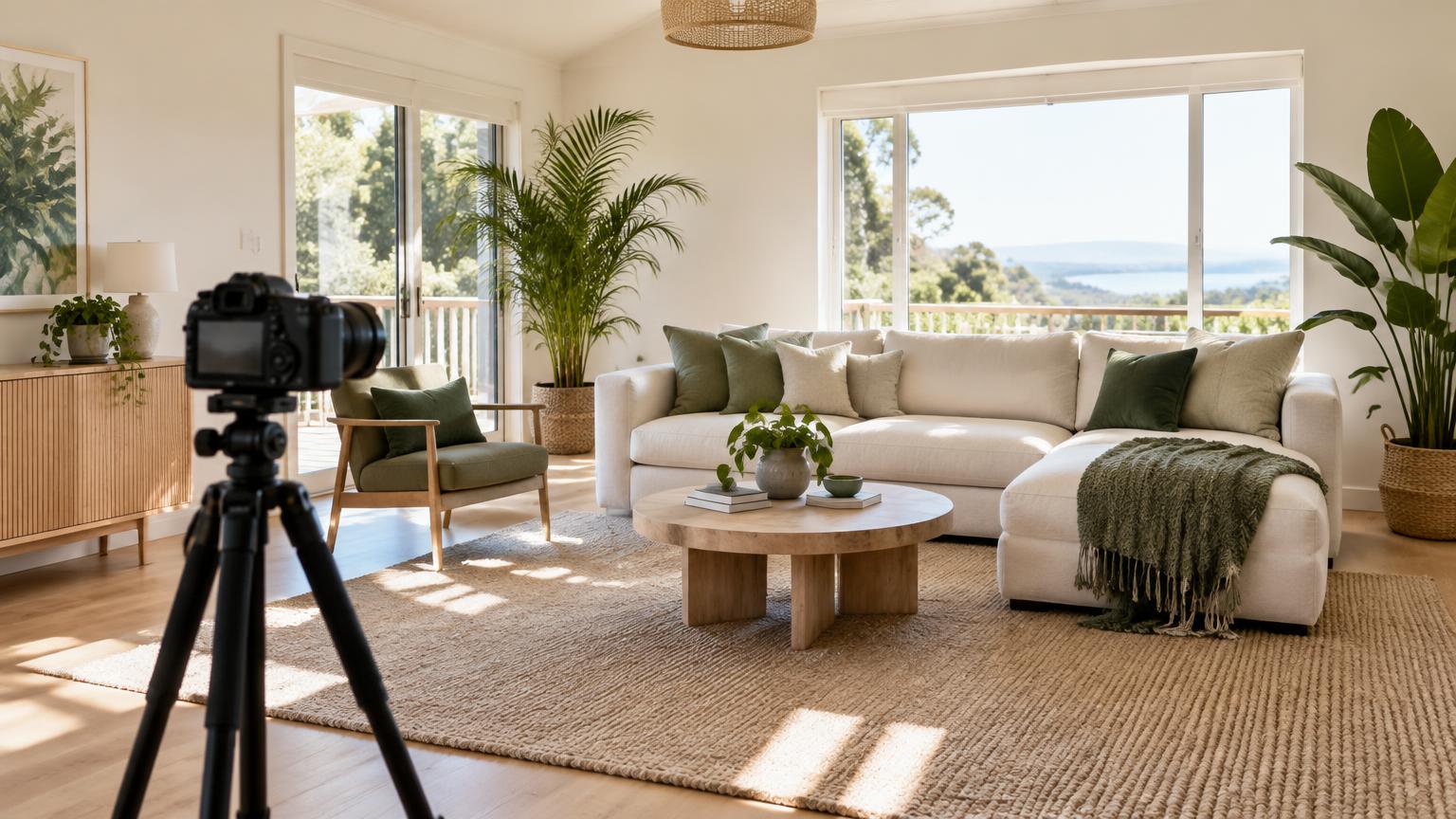
Remove personal documents, visible screens, valuables and security details before photography. Review reflections and family information as well as the property itself. Ask how mistakes will be corrected and where the listing and images will be published.
- Confirm which features and inclusions are actually being offered.
- Query floor-plan measurements, room labels or claims you cannot verify.
- Agree a contact for corrections and approve the final version in writing.
- Avoid photo edits or staging that misrepresent the property.
Plan safe and practical inspections
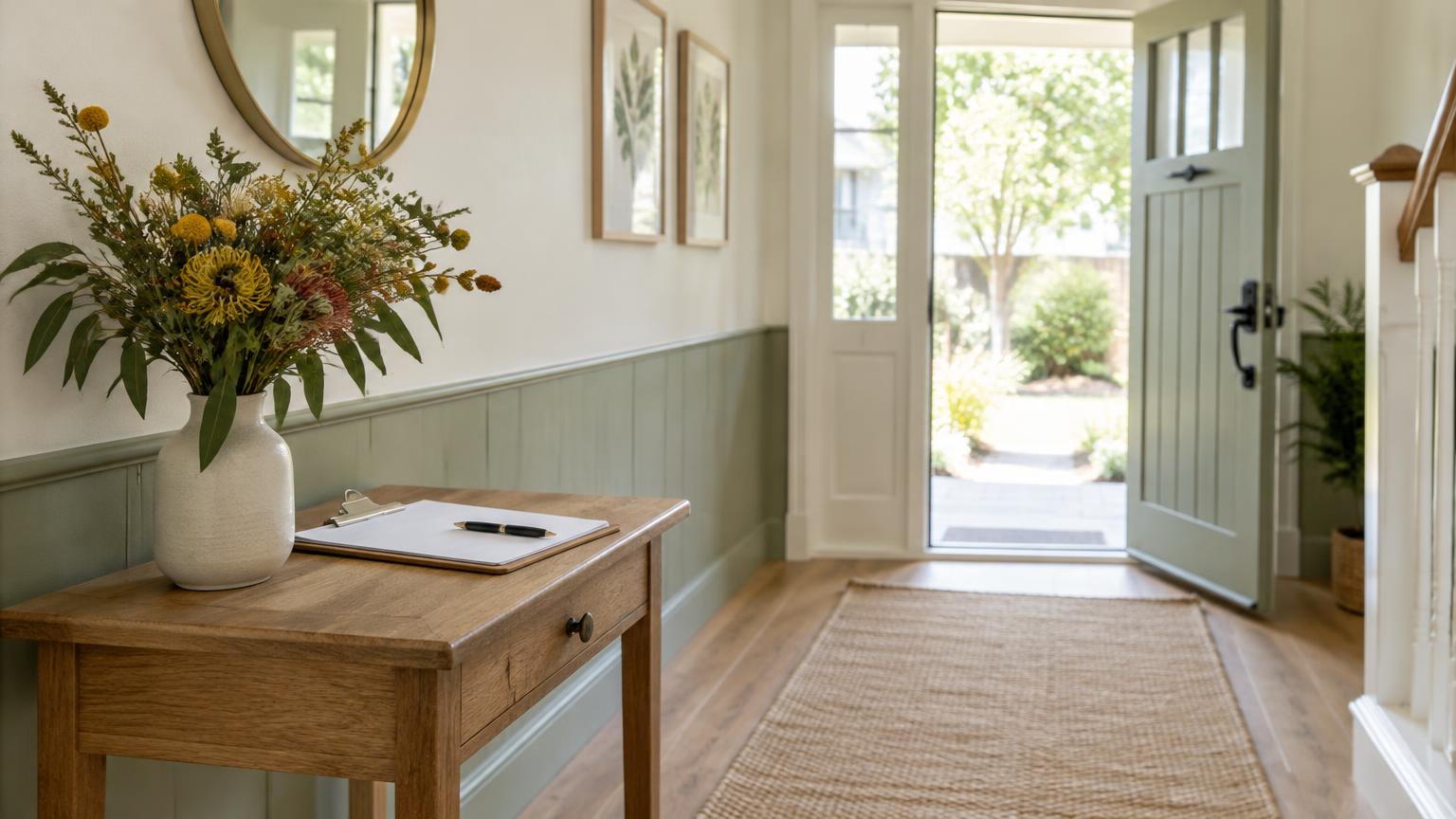
Agree the inspection schedule and how private appointments are arranged. If the property is occupied by tenants, raise access requirements with the agent and your adviser; do not assume owner-occupied arrangements apply. Discuss any safety or accessibility constraints without promising features the property does not have.
Before each inspection, secure private paperwork, medications, jewellery and devices. Arrange pets safely and remove trip hazards. Decide who opens, supervises and locks up, how keys are controlled and how you are told the home is secure afterward. Discuss the agent’s visitor process; no routine removes every risk.
- Confirm appointment notice and contact arrangements.
- Check private rooms or storage areas with the agent before restricting access.
- Leave accurate information about any access limits or hazards.
- Keep keys and security codes out of visible advertising material.
- Arrange cleaning and pet care you can sustain throughout the campaign.
What changes if tenants live in the property?
Plan the campaign with your property manager before booking photography or buyer inspections. In NSW, tenants must receive at least 14 days’ written notice before the first buyer inspection. Agree suitable inspection times; tenants are not obliged to agree to more than two inspections a week and must receive at least 48 hours’ notice each time.
Photography has separate privacy rules. Give reasonable notice and a reasonable opportunity to move belongings out of view. Interior photos or videos showing tenants’ belongings must not be published without their written consent. If you need vacant possession, ask your adviser about the tenancy, permitted grounds, supporting documents and notice requirements before promising a move-out or settlement date.
Section sources checked . Official sources checked for this section only on 24 October 2026; other guide content retains its existing check date.
Ask for feedback that helps a decision
Agree a reporting frequency and ask what the report will include. Suitable enquiries, attendance, repeat visits, buyer concerns and actual offers provide different information. Online views alone do not tell you whether buyers can or will proceed.
Look for patterns without assuming every comment requires a renovation or price change. Ask the agent to explain whether feedback suggests a presentation issue, missing information, pricing concern or something you cannot change. Record the recommendation, evidence and any approved spending.
- What are buyers comparing this property with?
- What concerns have appeared more than once?
- Which enquiries are progressing to another inspection or an offer?
- What should we review next, and what evidence supports that change?
Move from interest to clear offers
Ask the agent to present each offer with price, proposed conditions, deposit, inclusions and settlement timing. Your adviser should explain the terms before you commit. A busy inspection is not a sale, and a verbal offer does not replace the exchange process.
Keep the campaign plan, feedback and offers together. The Seller Pack preparation tracker and agent comparison tools can help organise your questions, but they do not replace legal advice or the agent’s responsibility for an accurate campaign.
Official sources and scope
NSW Government sources checked on . Practical planning checklists are Plan to Sell editorial guidance, not official requirements. Rules and documents can change and vary by property and contract. Follow the current official guidance and ask a solicitor or licensed conveyancer about your situation. This is not personalised legal, tax, financial or valuation advice.